Honda Civic 10th Gen (2016–2021) Front Grille Review: Type 1 vs Type 2, Fitment, and Buying Guide
 Key Takeaways
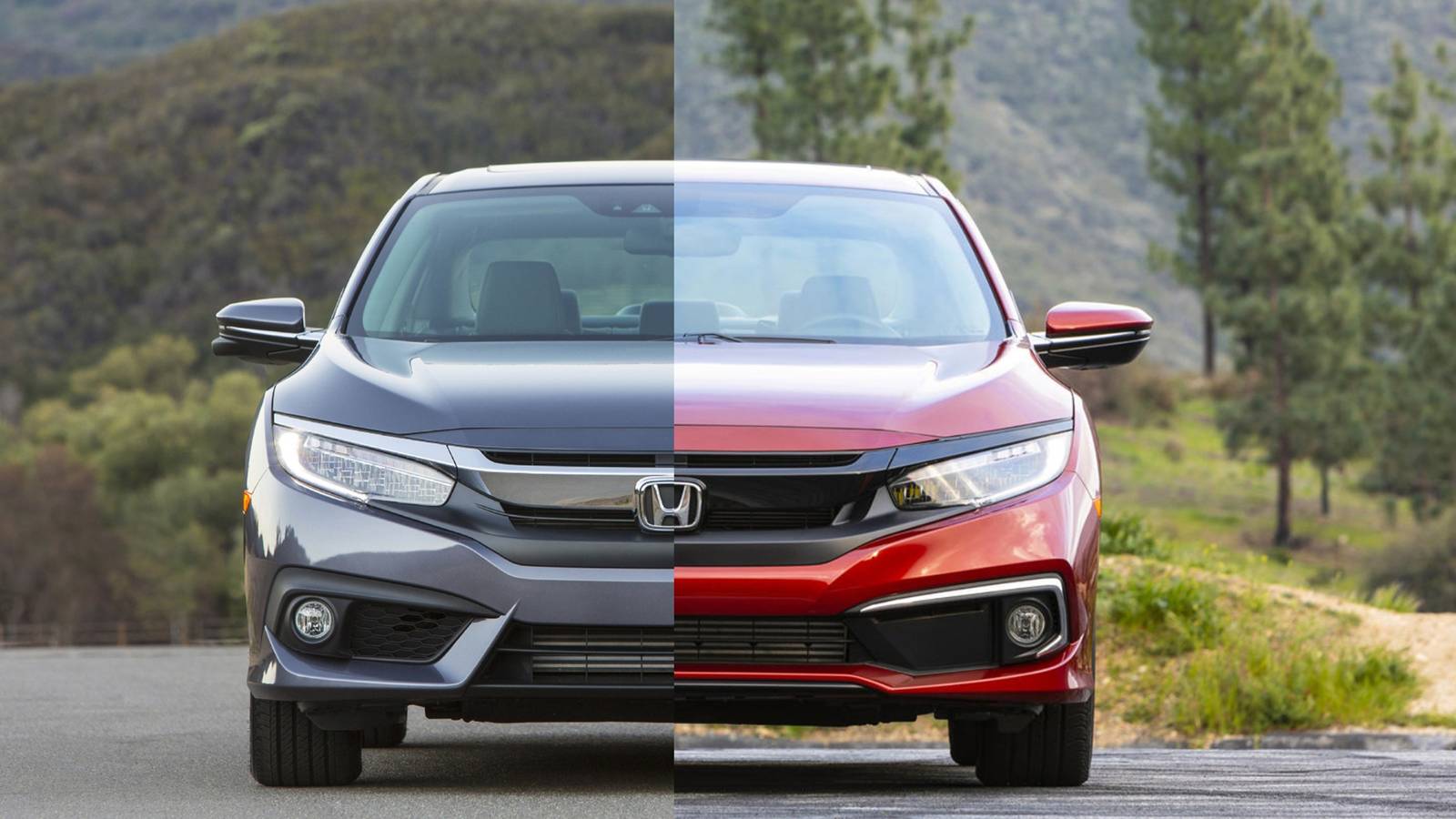
The best front grille upgrade for the 10th Gen Honda Civic is a Type R–style mesh grille (Type 1: aggressive honeycomb) or a layered OEM+ design (Type 2).
Both deliver huge visual impact for under $150, but fitment depends on pre- vs. post-2019 facelift, body style (sedan/coupe/hatch), and Honda Sensing radar compatibility.
Choose ABS plastic for durability. A wrong choice can trigger CMBS/ACC errors and $400–$700 recalibration. Mesh versions add minor cooling benefits (~3–5°C lower intake temps in real-world use), but aesthetics and proper fitment matter most. (Source)
 Type 1 vs Type 2 Grille Comparison
| Feature | Type 1 (Aggressive Honeycomb Mesh) | Type 2 (Layered OEM+ / Gloss Black) |
|---|---|---|
| Design | Open Type R–style mesh | Horizontal layered, subtler sport |
| Visual Impact | Aggressive, modified look | Clean OEM+ upgrade |
| Airflow | +15–22% open area (enthusiast tested) | Similar to stock |
| Best For | Turbo builds, track/daily fun | Daily drivers wanting refinement |
| Popularity | Enthusiasts & modded Civics | Stock-looking Sport/Si swaps |
| Material Options | ABS (recommended), carbon fiber | ABS primary |
Claim: Type 1 wins for performance aesthetics and airflow; Type 2 is ideal for subtle, factory-fresh upgrades. Fitment and radar compatibility trump style every time. (Source)
 What Most Reviews Miss
Most “looks cool” YouTube installs skip the critical details that separate a perfect mod from a frustrating (and expensive) headache. Here’s what actually matters in 2026:
- Fitment Is Year- AND Bumper-Specific The 2019 facelift changed bumper shape, mounting clips, and alignment points. Pre-facelift (2016–2018) and facelift (2019–2021) grilles are not interchangeable without swapping the entire bumper cover in most cases. (Source)
- No Truly “Universal” Fit Across Body Styles Sedan/coupe grilles differ from hatchback (shorter overall). “2016–2021” listings often cause side gaps or misaligned clips.
- Honda Sensing Radar Is the #1 Hidden Gotcha Flat “H” emblem on equipped models house millimeter-wave radar. A non-compatible grille blocks the signal → CMBS/ACC errors and dashboard warnings. (Source)
- “Plug & Play” Rarely Is Even direct-fit grilles can need clip realignment, minor trimming, or sensor clearance tweaks.
 Performance Insight: Does Mesh Actually Help Cooling?
Yes—modestly. Stock grilles restrict airflow for aero/fuel economy. Aftermarket honeycomb mesh significantly increases open area. Real-world OBD-II data from 1.5T owners shows:
- Intake air temps drop 3–5°C on highway runs.
- Faster heat-soak recovery after traffic or spirited driving.
Gains are secondary to looks but noticeable on turbo models prone to timing pull when hot. (Source)
 Fitment & Compatibility Matrix
| Model Year | Pre-Facelift (2016–2018) | Facelift (2019–2021) | Body Style Notes | Honda Sensing Risk |
|---|---|---|---|---|
| Best Fit | Standard clips | Reinforced retainers | Sedan/Coupe similar; Hatch shorter | Optional on higher trims |
| Chassis Codes | FC1/FC2 (sedan), FK7 (hatch) | Same codes, different bumpers | Verify exact trim | Standard on most 2019+ |
| Aftermarket Tip | Type 1/2 both work with tweaks | Must match facelift-specific grille | Not fully universal | Radar-transparent emblem required |
Critical Note: Always confirm your exact year, trim, and whether you have the flat radar emblem. (Source)
 Material Breakdown: What You’re Actually Buying
- ABS Plastic (Best Daily Choice): OEM-grade durability, flexibility, impact resistance, and affordability. Used by most reputable aftermarket brands.
- Fiberglass (FRP): Cheap but cracks easily; needs extra work.
- Carbon Fiber: 200–300g lighter, premium look, but expensive and can yellow without proper UV protection.
Claim: ABS strikes the perfect balance of cost, fit, and longevity for 99% of owners. (Source)
 Real Cost Breakdown (No Surprises in 2026)
- Grille: $70–$150 (aftermarket) / $110–$225 (OEM-style)
- Shipping: Often $80–$120 (can be 70%+ of product price)
- Professional install: $150–$300
- Paint matching (if needed): $300–$800 total
- Hidden Honda Sensing recalibration: $400–$700 at dealership (not always required if sensor stays mounted and undisturbed)
Total realistic cost for a clean DIY job: $200–$350. A “$120 grille” can easily hit $500+ if things go wrong. (Source)
 Step-by-Step Installation Guide (Real-World, ~60–90 Minutes for Most)
Tools needed: 10mm socket, Phillips screwdriver, and plastic trim removal tools. Time: 1–2.5 hours DIY (bumper removal is the longest part). (Source)
- Remove engine cover clips.
- Drop the front bumper (wheel-well bolts + under-clips).
- Unscrew stock grille (10–14 screws).
- Transfer OEM “H” emblem carefully.
- Install the new grille, realign clips, and test-fit before full reassembly.
Critical Safety Rule: Never turn the ignition ON while the radar sensor is unplugged or misaligned. (Source)
 Pros & Cons
 Pros
Pros
- Massive visual transformation for low cost
- Easy DIY for most owners
- Slight cooling bonus on turbo models
- Huge aftermarket availability
 Cons
Cons
- Fitment headaches if you buy the wrong version
- Potential Honda Sensing headaches
- Cheap clips can break
- Shipping and total cost can add up
 Legal & Safety Compliance
If your grille includes lighting, it must meet DOT standards. Non-compliant lights can fail inspection or lead to fines. Prioritize radar-compatible parts for safety systems—your Civic’s ADAS is there to protect you. (Source)
 Type 1 vs Type 2: Which Should You Choose?
- Choose Type 1 (Mesh): Aggressive builds, 1.5T turbo owners wanting extra cooling and track-ready looks.
- Choose Type 2 (Layered): Daily drivers who want a refined, OEM+ Sport/Si appearance.
Final Insight: Style is personal—accurate fitment and radar compatibility are non-negotiable.
 FAQ
FAQ
Q: Will it fit my 2018 Civic Hatchback?
A: Yes, with minor alignment; confirm facelift status and body style.
Q: Does it affect Honda Sensing?
A: Only if non-compatible—use radar-transparent parts or risk errors. (Source)
Q: Is installation easy?
A: Yes for DIYers, but bumper removal takes time and care.
Q: Does mesh improve performance?
A: Slight cooling gains; main benefit is looks.
Q: What about 2021 models?
A: Highest risk—verify exact compatibility.
 Final Verdict
The 10th Gen Civic front grille upgrade remains one of the highest-ROI modifications you can do—transforming the dated chrome wing into a sharp, modern look for pocket change.
Best Choice:
- ABS plastic Type 1 or Type 2 grille
- Exact facelift/pre-facelift match
- Radar-compatible if your Civic has Honda Sensing
Biggest Mistakes to Avoid:
- Buying “universal” listings
- Ignoring year/body-style differences
- Overlooking sensor compatibility
Buyer Checklist
- Confirm exact model year & facelift status
- Verify sedan/coupe/hatchback compatibility
- Check for flat radar emblem (Honda Sensing)
- Choose Type 1 vs Type 2 based on your vibe
- Factor in total cost (grille + shipping + install)
- Buy from reputable sellers with return policy
Do it right and you’ll love the result every time you walk up to your Civic.
Questions? Drop your exact year/trim below—I (and the Civic community) have your back. Safe modding! 
Comments
Post a Comment